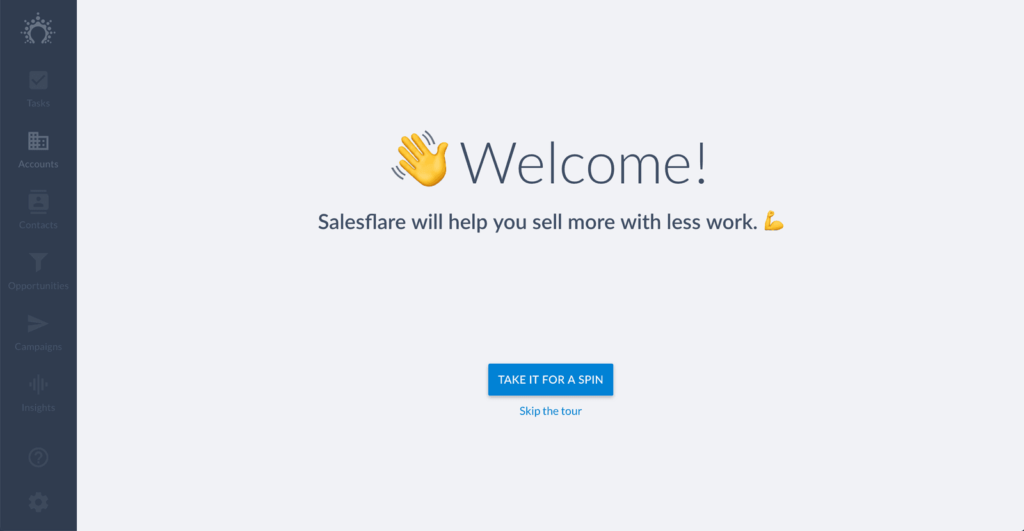
For SaaS companies, the first interaction a user has with your platform can determine whether they stay or leave. Whether it’s signing up for a free trial, creating an account, or completing onboarding forms, ensuring that the email addresses entered are valid and deliverable is critical. Email verification has become an essential tool for improving SaaS user experience, protecting your platform from fake accounts, and boosting conversion rates.
In this article, we’ll explore how email verification supports SaaS growth by improving onboarding, enhancing engagement, and maintaining high-quality data.
Why SaaS Onboarding Often Fails
User onboarding is the moment when potential customers decide whether your product provides value. Common onboarding challenges include:
- Users mistyping their email addresses
- Entering temporary or disposable emails
- Forgetting passwords due to invalid addresses
- Failing to receive verification emails or trial notifications
- Abandoning accounts before activation
These issues lead to lost trials, wasted marketing spend, and lower conversion rates. Email verification addresses these problems at the root.
How Email Verification Improves SaaS Onboarding
1. Real-Time Verification During Sign-Up
Real-time email verification checks addresses as users enter them, catching:
- Typos (e.g., gmial.com instead of gmail.com)
- Missing characters or invalid formats
- Disposable or temporary emails
This ensures that only valid, active email addresses are added to your system. Users are prompted to correct mistakes immediately, reducing friction and improving completion rates.
2. Ensuring Account Activation
Verification emails are a critical step in onboarding. If users provide invalid addresses, they may never receive activation links. Email verification ensures that the addresses entered are deliverable, increasing the likelihood that users activate their accounts and engage with your SaaS platform.
3. Protecting Against Fake Sign-Ups
Many SaaS products are vulnerable to abuse, with users creating multiple accounts using disposable or temporary email addresses. Verification tools identify these risky emails, helping you maintain the integrity of your user base and protect your free trial programs.
The Business Benefits of Email Verification for SaaS
1. Increased Trial-to-Paid Conversion Rates
Verified email addresses mean that onboarding communications reach the right users. When users receive welcome emails, tutorials, and reminders reliably, they are more likely to engage with your platform and convert from trial to paid accounts.
2. Improved Email Deliverability
SaaS platforms rely on email for account notifications, security alerts, and marketing campaigns. High-quality, verified email lists reduce bounce rates and protect your sender reputation, ensuring your messages reach users’ inboxes consistently.
3. Enhanced Customer Experience
Nothing frustrates a new user more than failing to receive critical emails. Email verification ensures a smoother onboarding process, fewer support tickets, and higher satisfaction.
4. Reduced Support Load
Invalid email addresses often result in missed communications, failed logins, and password reset requests. Verification reduces these issues, freeing your support team to focus on real problems rather than chasing undeliverable emails.
5. Better Data for Marketing Automation
Verified emails strengthen your SaaS marketing workflows. Automated drip campaigns, feature announcements, and upsell emails perform better when they reach real, active users. This improves engagement metrics and ROI.
Best Practices for Implementing Email Verification in SaaS
1. Combine Real-Time and Batch Verification
- Real-time verification during sign-up prevents bad data from entering your system.
- Batch verification cleans existing databases and prepares for large campaigns.
Together, they keep your email lists accurate and reliable.
2. Monitor Disposable and Temporary Emails
Many free trial users attempt to bypass restrictions with temporary emails. By detecting these addresses, you ensure that only legitimate users can create accounts.
3. Integrate Verification with Onboarding Flows
Verification should be seamless and embedded in your signup and onboarding processes. Prompt corrections when necessary, and avoid interrupting the user experience.
4. Regularly Clean Legacy Data
Even after verification at signup, email addresses can become outdated. Periodically re-verify your database to maintain long-term data quality.
Email Verification as a Growth Strategy
Beyond improving onboarding, email verification supports broader SaaS growth initiatives:
- Marketing Efficiency: Verified emails improve engagement and reduce wasted campaigns.
- Customer Retention: Reliable communication strengthens user satisfaction.
- Revenue Protection: Reduces trial abuse and fraudulent accounts.
- Analytics Accuracy: Clean data leads to better reporting and informed decision-making.
In short, email verification is not just a technical tool—it’s a growth lever for SaaS businesses.
Conclusion
Email verification is a foundational element of SaaS onboarding, user experience, and growth. By ensuring that every email address is valid, active, and deliverable, SaaS companies can:
- Improve trial activation and retention
- Reduce churn caused by communication failures
- Protect against fake accounts and abuse
- Increase engagement and conversion rates
- Maintain clean and reliable data for analytics and marketing automation
For SaaS businesses that rely on email as the primary communication channel, implementing email verification is no longer optional—it is a strategic necessity. By adopting verification at every stage of the user journey, you ensure smoother onboarding, happier users, and stronger business growth.
About the Author
